Tencent to Buy Carbon Removal Credits from Agroforestry Project in Indonesia
Tencent’s 10-year purchase from a Sulawesi agroforestry project marks its first carbon removal credit deal outside China, as Google and McKinsey also agree to buy credits from the same project.
Disclosure: Our goal is to feature products and services that we think you'll find interesting and useful. If you purchase them, Entrepreneur may get a small share of the revenue from the sale from our commerce partners.
You're reading Entrepreneur Asia Pacific, an international franchise of Entrepreneur Media.
Tencent Holdings will buy 300,000 carbon removal credits from an agroforestry project in Indonesia, marking the Chinese technology company’s first such purchase outside its home market, Bloomberg reported.
The company has signed a 10-year agreement with Thryve.Earth, a Singapore-based developer of carbon removal initiatives, to purchase credits generated from a project on Sulawesi island. Alphabet’s Google has signed a separate 10-year agreement for 260,000 credits from the same project, while consulting firm McKinsey has agreed to buy 75,000 credits.
The deal puts a Southeast Asian agroforestry project at the centre of renewed corporate interest in nature-based carbon removals. It also comes at a time when the voluntary carbon market is under closer scrutiny over the quality, durability and verification of credits.
Carbon removal credits are generated by projects that remove carbon dioxide from the atmosphere, rather than simply avoiding future emissions. In agroforestry, this is done by combining tree planting or forest restoration with agricultural activity, allowing land to store more carbon while continuing to support local livelihoods.
Thryve.Earth said the Sulawesi project will restore degraded land through a mixed-crop farming system intended to improve land productivity while also storing carbon, replenishing soil, increasing biodiversity and creating income streams for farmers.
For Tencent, the purchase forms part of its plan to reach carbon neutrality across its own operations and supply chain by 2030. Tencent has said publicly that it prioritises reducing direct emissions, promoting renewable energy and reserving carbon offsets for the portion of emissions that cannot otherwise be eliminated.
The average price for agroforestry credits in Asia is currently around $21.40, Bloomberg reported, citing carbon data company Sylvera. Based on that average, Tencent’s purchase would imply a value of about $6.4 million, although the companies did not disclose the financial terms of the agreement.
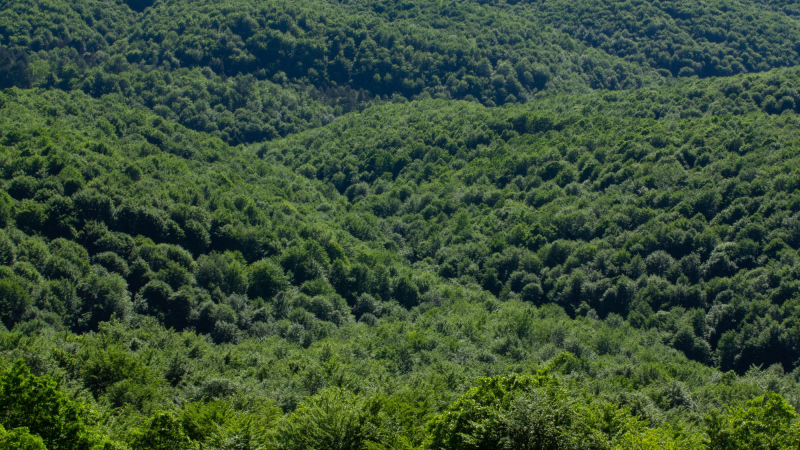
The project is located on Sulawesi, an island in central Indonesia where tropical rainforest has been affected by agriculture, soil erosion and invasive species.
Long-term purchase agreements are important in the carbon market because restoration projects often need financing years before credits are fully generated and sold. Commitments from large buyers can help developers fund land preparation, planting and early maintenance.
The transaction also signals that demand for nature-based carbon removals remains active among large corporate buyers, even after parts of the voluntary carbon market came under pressure. Bloomberg said the deal offers a counterpoint to reports earlier this year that Microsoft was pulling back from some carbon-credit purchases.
Agroforestry projects have the potential to deliver up to 310 million tonnes of carbon dioxide removal annually, Bloomberg reported. Their appeal lies in the possibility of combining climate benefits with biodiversity protection and rural income, although the market continues to face questions around measurement, permanence and project quality.
One of those questions is permanence — whether the carbon removed today stays out of the atmosphere, or is released again if the trees are later cut down or the land is cleared. Thryve.Earth has said its model addresses this by giving local communities a direct financial stake in keeping trees standing, rather than relying on land-use restrictions alone.
Tencent Holdings will buy 300,000 carbon removal credits from an agroforestry project in Indonesia, marking the Chinese technology company’s first such purchase outside its home market, Bloomberg reported.
The company has signed a 10-year agreement with Thryve.Earth, a Singapore-based developer of carbon removal initiatives, to purchase credits generated from a project on Sulawesi island. Alphabet’s Google has signed a separate 10-year agreement for 260,000 credits from the same project, while consulting firm McKinsey has agreed to buy 75,000 credits.
The deal puts a Southeast Asian agroforestry project at the centre of renewed corporate interest in nature-based carbon removals. It also comes at a time when the voluntary carbon market is under closer scrutiny over the quality, durability and verification of credits.