Ripple Strengthens Singapore Presence with New Regulatory Approval
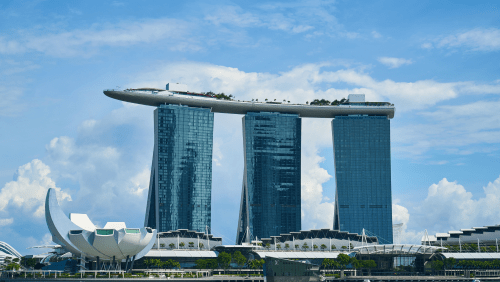
The company said the decision will allow it to widen its regulated payment services and provide additional support to customers in Singapore.

Fiona Murray, Vice President and Managing Director, Asia Pacific, Ripple | LinkedIn
You're reading Entrepreneur Asia Pacific, an international franchise of Entrepreneur Media.
Fintech company Ripple has received approval from the Monetary Authority of Singapore for an expanded scope of payment activities under the Major Payment Institution license held by its Singapore unit, Ripple Markets APAC Pte. Ltd.
The company said the decision will allow it to widen its regulated payment services and provide additional support to customers in Singapore. As one of the few blockchain-enabled institutions globally with an MPI license, Ripple continues to reinforce its commitment to compliance, transparency, and strong regulatory partnership.
Monica Long, President of Ripple, said, “This expanded license strengthens our ability to continue investing in Singapore and to build the infrastructure financial institutions need to move money efficiently, quickly, and safely.”
Ripple was founded in 2012 and provides financial technology products that use digital assets. Ripple Payments is the company’s cross border payments service designed to offer faster transfer times and clearer transaction tracking. Ripple Custody gives clients a secure way to store and manage digital assets. Ripple Prime serves institutional customers with a global multi asset brokerage platform.
The company’s digital assets, including its stablecoin RLUSD and the cryptocurrency XRP, support these services by offering faster settlement processes and new ways to use tokenized value.
Ripple Payments combines digital payment tokens with a global payout network to support banks, financial technology firms and companies operating in the digital asset sector. The service is fully licensed in Singapore, allowing Ripple to handle the blockchain and operational components while businesses focus on their own customer offerings.
“The Asia Pacific region leads the world in real digital asset usage, with on-chain activity up roughly 70% year-over-year. Singapore sits at the center of that growth,” said Fiona Murray, Ripple Vice President and Managing Director, Asia Pacific. “With this expanded scope of payment activities, we can better support the institutions driving that growth by offering a broad suite of regulated payment services, bringing faster, more efficient payments to our customers.”
Singapore has been an important location for Ripple since it established its Asia Pacific headquarters in the country in 2017.
Fintech company Ripple has received approval from the Monetary Authority of Singapore for an expanded scope of payment activities under the Major Payment Institution license held by its Singapore unit, Ripple Markets APAC Pte. Ltd.
The company said the decision will allow it to widen its regulated payment services and provide additional support to customers in Singapore. As one of the few blockchain-enabled institutions globally with an MPI license, Ripple continues to reinforce its commitment to compliance, transparency, and strong regulatory partnership.
Monica Long, President of Ripple, said, “This expanded license strengthens our ability to continue investing in Singapore and to build the infrastructure financial institutions need to move money efficiently, quickly, and safely.”

Entrepreneur Staff • Editor
Entrepreneur Staff
For more than 30 years, Entrepreneur has set the course for success for millions of... Read more