How Licensed Professionals Should Respond to Board Inquiries
Whether it comes by mail, email, or through an employer, the language is often vague, the stakes unclear, and the timeline short. What may begin as a routine inquiry can quickly escalate into a formal investigation, bringing with it the risk of public discipline, suspension, or even permanent revocation of a license.
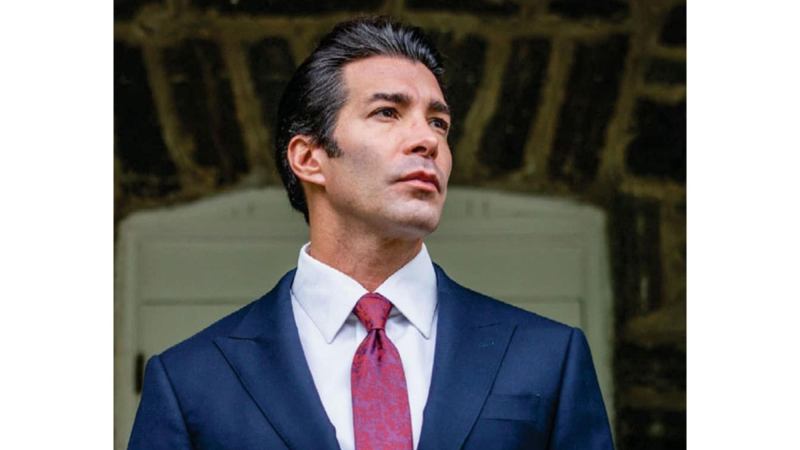
Joseph Lento, Lento Law Firm
Opinions expressed by Entrepreneur contributors are their own.
You're reading Entrepreneur Asia Pacific, an international franchise of Entrepreneur Media.
Receiving notice of a complaint from a professional licensing board can be one of the most alarming moments in a licensed professional’s career. Whether it comes by mail, email, or through an employer, the language is often vague, the stakes unclear, and the timeline short. What may begin as a routine inquiry can quickly escalate into a formal investigation, bringing with it the risk of public discipline, suspension, or even permanent revocation of a license.
In healthcare, law, education, and dozens of other regulated fields, licensing boards are tasked with protecting public safety and upholding ethical standards. But their investigations often unfold behind closed doors, with procedures that vary by state and profession. For professionals unfamiliar with the process, the instinct to respond quickly or casually can lead to irreversible consequences.
Joseph Lento, founder of Lento Law Firm, has represented professionals across the country in disciplinary matters and knows how easily a complaint can spiral.
“An informal tone or hasty reply to a licensing board can have irreversible consequences. Everything you say is treated as part of the official record. Let your attorney speak for you,” Lento remarks.
Many professionals assume that a prompt explanation or informal phone call will resolve the matter. Others ignore the notice altogether, believing it to be a misunderstanding. In reality, even a minor infraction—such as a documentation error, a billing dispute, or an interpersonal complaint—can be grounds for formal discipline if mishandled. Some professionals unknowingly admit to violations while trying to be transparent, failing to realize that everything they say can be used as evidence in a later hearing.
Board investigations typically proceed in stages: initial complaint review, formal inquiry, possible interview or written statement, and eventual board action. Throughout this process, professionals are often at a disadvantage. Unlike in court, there may be no rules of evidence, no obligation to provide full discovery, and no guarantee of legal representation. The board has broad discretion in determining whether a violation has occurred—and in deciding the appropriate penalty.
Lento adds, “Professionals often incriminate themselves unintentionally. Even simple explanations or apologies can be misinterpreted as admissions of guilt. Our role is to carefully craft your response and shield you from unnecessary harm.”
The consequences of even a minor disciplinary finding can be career-altering. In addition to suspension or revocation, professionals may face mandatory retraining, probation, public reporting in national databases, or damage to their reputation that affects employment and credentialing. In multi-state contexts, such as for nurses and physicians with compact licenses, a single board action can trigger reciprocal sanctions across jurisdictions.
Compounding the issue is the growing practice of employers reporting internal disputes or terminations to state boards—sometimes without warning or resolution. Professionals who resign or accept severance without legal guidance may unknowingly open the door to an investigation they could have avoided or mitigated.
“We evaluate the strength of the complaint, advise on your rights, and prepare a strategic response aimed at dismissal or minimal penalty. Board investigations are serious—don’t face them without legal help. Protecting your license is protecting your livelihood,” Lento concludes.
While each board and profession has its own standards, the common denominator is that professionals must take any notice seriously and respond with care. Engaging experienced counsel early in the process can help prevent missteps, clarify what’s at stake, and ensure that rights are preserved throughout the investigation.
Disclaimer and Disclosure:
This article is an opinion piece for informational purposes only. Entrepreneur AP and its affiliates do not take responsibility for the views expressed. Readers should conduct independent research to form their own opinions.
Receiving notice of a complaint from a professional licensing board can be one of the most alarming moments in a licensed professional’s career. Whether it comes by mail, email, or through an employer, the language is often vague, the stakes unclear, and the timeline short. What may begin as a routine inquiry can quickly escalate into a formal investigation, bringing with it the risk of public discipline, suspension, or even permanent revocation of a license.
In healthcare, law, education, and dozens of other regulated fields, licensing boards are tasked with protecting public safety and upholding ethical standards. But their investigations often unfold behind closed doors, with procedures that vary by state and profession. For professionals unfamiliar with the process, the instinct to respond quickly or casually can lead to irreversible consequences.
Joseph Lento, founder of Lento Law Firm, has represented professionals across the country in disciplinary matters and knows how easily a complaint can spiral.
Meiling is a writer with over a decade of experience covering startups and entrepreneurship. She... Read more