The Tokenization Revolution: Reshaping How We Own and Trade Assets
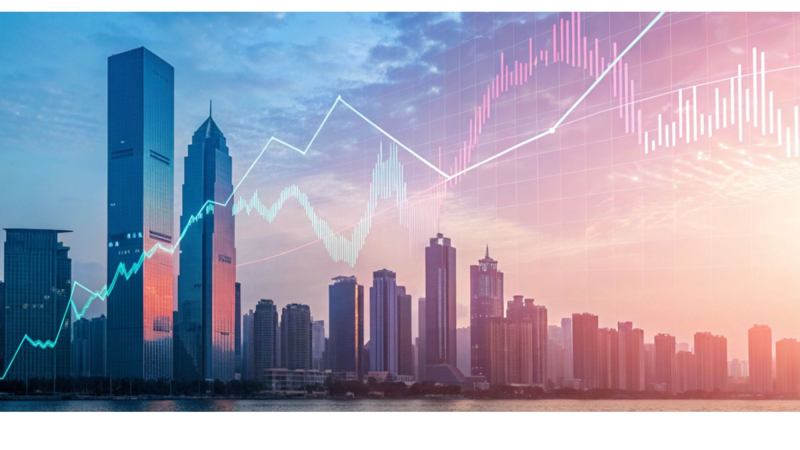
The traditional financial system, with its restricted trading hours and complex, costly intermediaries, is undergoing a refreshing transformation. The emergence of Real-World Asset (RWA) tokenization is reimagining trading and ownership of an array of securities.
WhiteRock
Opinions expressed by Entrepreneur contributors are their own.
You're reading Entrepreneur Asia Pacific, an international franchise of Entrepreneur Media.
The traditional financial system, with its restricted trading hours and complex, costly intermediaries, is undergoing a refreshing transformation. The emergence of Real-World Asset (RWA) tokenization is reimagining trading and ownership of an array of securities. This technology–facilitating ownership rights of stocks, bonds, and even property in the form of digitalized tokens—unlocks new levels of accessibility and liquidity.
A significant benefit of RWA platforms is their ability to overcome the time and location constraints inherent in traditional brokerage models. With 24/7 trading, an investor in Tokyo can react to news originating in London with the same immediacy as an institutional trader in New York—a level of access previously less attainable. Besides its marked convenience, this signifies a transformation of the global market, where limits induced by location and market hours become increasingly obsolete.
Another compelling aspect of RWA tokenization is fractional ownership. Assets that once required significant capital outlays, like prime real estate, can now be divided into smaller, more affordable units represented by tokens. Thanks to fractionalization, high-value assets like real estate, formerly inaccessible to many, are now within reach of the average investor.
The rise of platforms facilitating the trading of tokenized real-world assets is undeniable. WhiteRock, which aims to provide access to a diverse portfolio of over 500 securities from exchanges like the NASDAQ, NYSE, and LSE, exemplifies this trend. The substantial trading volumes reported – reaching tens of millions of dollars quarterly – suggest that RWA tokenization is resonating with both institutional and retail investors, though further analysis is needed to determine long-term adoption rates.
Beyond basic trading, RWA platforms are actively building comprehensive financial ecosystems around tokenized assets. For instance, WhiteRock offers USDX, a yield-generating stablecoin backed by short-term U.S. Treasury bonds and designed to track the value of the US dollar. This enables investors to earn passive income while holding a stable digital asset. Additionally, WhiteRock’s native token, $WHITE, has been integrated into its ecosystem. The company is also reportedly developing a lending platform where tokenized holdings can serve as collateral. These developments highlight that RWA tokenization is far more than a digital overlay on existing markets; it’s a re-engineering of the financial landscape.
The ongoing evolution of digital asset regulations globally is driving a heightened emphasis on security and transparency as fundamental pillars of trust in RWA platforms. WhiteRock’s trust-building approach in this nascent market is multifaceted. The primary pillar is independent auditing of its transactional infrastructure, which is done by accredited firms such as OpenZeppelin. Furthermore, WhiteRock leverages the deep domain expertise of its team—seasoned professionals from traditional finance giants like ING and First Citizens Bank—to build this bridge to the conventional financial world.
RWA tokenization should not be considered a quick fix for outdated brokerage systems but the groundwork for a fundamentally different kind of financial future. It aims to build an environment where security and transparency are core principles woven into the very fabric of the market. Platforms leading this charge, with WhiteRock seemingly prominent, are doing more than simply offering a new way to trade; these platforms are shaping the long-term confidence of both traditional financial players and the everyday investor in this evolving landscape of tokenized assets.
The traditional financial system, with its restricted trading hours and complex, costly intermediaries, is undergoing a refreshing transformation. The emergence of Real-World Asset (RWA) tokenization is reimagining trading and ownership of an array of securities. This technology–facilitating ownership rights of stocks, bonds, and even property in the form of digitalized tokens—unlocks new levels of accessibility and liquidity.
A significant benefit of RWA platforms is their ability to overcome the time and location constraints inherent in traditional brokerage models. With 24/7 trading, an investor in Tokyo can react to news originating in London with the same immediacy as an institutional trader in New York—a level of access previously less attainable. Besides its marked convenience, this signifies a transformation of the global market, where limits induced by location and market hours become increasingly obsolete.
Another compelling aspect of RWA tokenization is fractional ownership. Assets that once required significant capital outlays, like prime real estate, can now be divided into smaller, more affordable units represented by tokens. Thanks to fractionalization, high-value assets like real estate, formerly inaccessible to many, are now within reach of the average investor.
Reuben Lee is a journalist and writer with over two decades of experience tracking the... Read more